

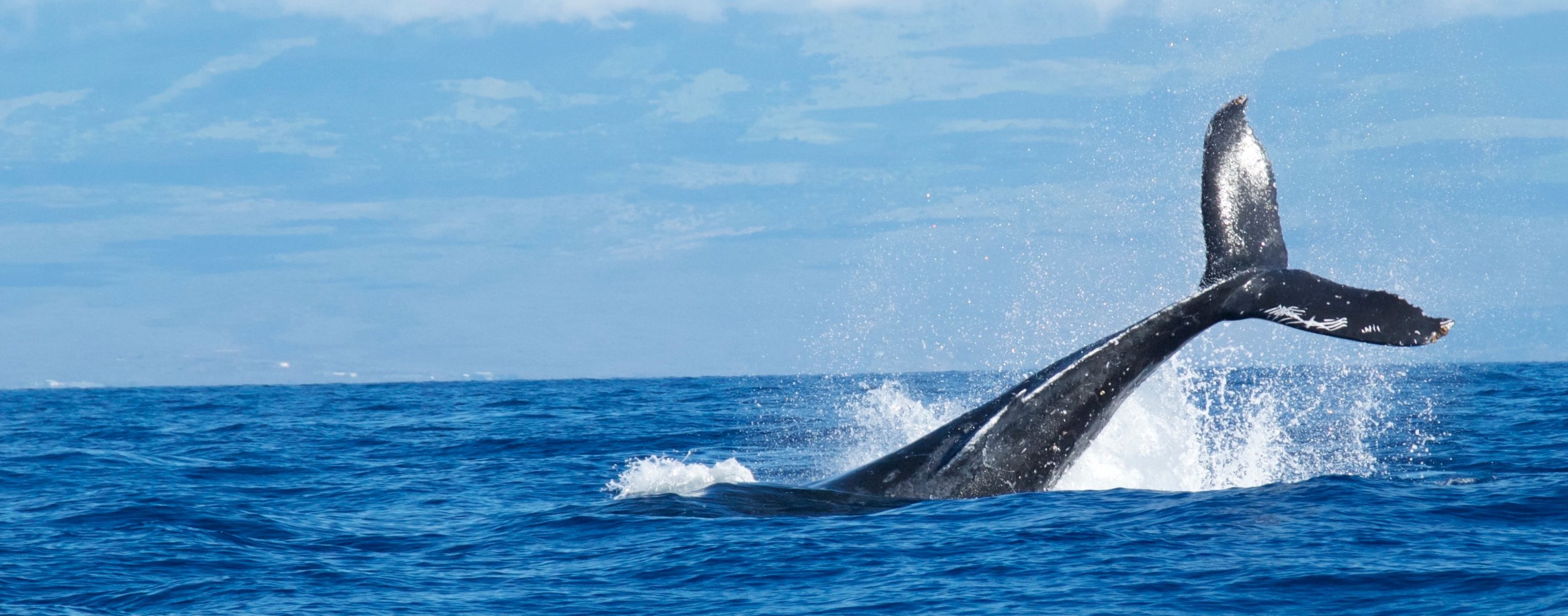
…and Yonah was in the belly of the fish three days and three nights. And Yonah prayed to Hashem from the belly of the fish (2:1-2).
What was Yonah doing in the belly of the fish?
The Midrash explains that first Yonah was swallowed by a male fish but he did not pray. G-d commanded that fish to spit him into the mouth of another, a pregnant female fish that was full of roe. He was cramped in a narrow space and that induced him to pray for salvation. “Yonah was in the belly of the fish but did not pray. The Holy One Blessed Be He said: “I made him a spacious place in the belly of the fish but still he did not pray. I shall prepare for him a pregnant fish carrying 365.000.00 fry, so that he will be in pain and pray to me (Midrash Yonah p. 98, please note that 365 is a significant number – “The Holy One Blessed Be He tells the angel appointed over conception: take this drop in your palm and plant it in the field to become 365 parts (Tanchuma Pikudei 3))”. This midrashic interpretation bases itself on idiomatic grounds; the word for fish in verse one is in the masculine gender dag whereas it changes to feminine dagah in the second verse. In the end of the chapter it is dag once again. Although the word dagah is found in many other places as the name for all fish species (See Ezekiel 47:9), the deliberate change in gender was read by the Sages as a clue to meaning.
The key to what it all means may be found in the words R. Bachya (Numbers 11:5) who suggests that the word dagah signifies a fish that is dead. Yonah, he says, was swallowed by a fish that subsequently died. It is of that time that the prophet speaks later on in this chapter when he describes descending to Sheol, the land of the dead, for at that moment he was literally surrounded by death, a putrefying, rotting fish. These various comments introduce motifs of death, pregnancy and rebirth.
Yonah was in the belly of the fish for three days. Many important events in the history of the Patriarichs occurred on the third day (Genesis Rabbah 61:1). G-d does not allow His saints to remain in dire straights for more than three days (Genesis Rabbah 91:9). Three is the number associated with both conception and rebirth. “He will strengthen us in two days, on the third day he will stand us up and we will live before Him (Hoshea 6:2).” In mystical thought, the seed is assimilated to conception in the first three days, followed by 40 days for formation of a child (Otsros Chaim, Shaar Anakh). Similarly Torah was given after three days of preparation and over 40 days (Shabbos 88a). Likewise, Yonah was in the belly of the fish for three days and in the booth outside Nineveh for 40 days.
Not only was the belly of the pregnant fish the place of his rebirth, so also was the sea itself. “As the bath is sometimes open and sometimes shut, so the gates of prayer are sometimes shut and sometimes open, but as the sea is always open, so the gates of repentance are always open (Lamentations Rabbah 3:43). ” The imagery of the sea and water as the place of rebirth is striking and irresistable. “The Holy ONe Blessed Be He fashions a baby in the womb of his mother in the midst of waters and he pronounces: There is no sculptor like our G-d(Tanchuma Tazria 2).”
The midrashic comments point us to the realization that the inspired author of Yonah draws a connection between repentance and rebirth. Yonah was reborn within the belly, nay, more accurately within the womb of the great fish, in the maternal embrace of life-giving waters of the ocean. In those three days, a seed of full repentance was planted within him, ultimately to grow and burst into full return to G-d. This makes an important point – complete repentance is not a one time event. The Ninevites turned in a moment away from their ways but they did not change them. They quickly relapsed, as our Sages taught. This kind of repentance is doomed to failure. The seed of true and lasting return needs to be nurtured and maintained, first for 40 days of development, then for 9 months of growth, then for a lifetime. The psalm that Yonah sang out while in the belly of the fish signified and demarcated only the beginning of the process of return. Crowded by 365 thousand fish babies, the prophet began to think about Hashem’s guiding hand in his own life and, he began to sing. It was a turning point, not a resolution of all the issues that still separated him from the Source of Life. Repentance is not only an act or series of actions; it is a process of growth and rebirth. In this 40- day period, from 1st of Elul and until Yom Kippur, the time of repentance and self-examination, lessons of Yonah ring loud and clear.
May Hashem bless you all with a sweet and happy year, a year of forgiveness and growth and may we all merit to know and serve Him.
Text Copyright © 2004 by Rabbi Dr. Meir Levin and Torah.org.