

His Cup Runneth on Empty1
“This” refers, of course, to Yosef’s special goblet. The steward sent out to accost the brothers does not bother to identify it. The crime they have committed is so heinous – and so foolish – that the object of the theft need not be mentioned by name. Realizing that they have been pursued and caught, they will instantly understand what the excitement is all about. Stealing the goblet, he implies, was a very, very bad move.
We cannot be fully confident about our translation of the verse. Does it mean that Yosef used to divine through the cup – seeing the unseen through its magic properties? Stealing it would then be a terrible act of lese majeste, but the steward’s berating them would be somewhat misplaced. If Yosef didn’t have his magic cup in hand, then they would not have to worry about his special ability to identify the criminal. After all, they were holding the cup, and not he!
Alternatively, the verse may not mean that Yosef divines with it, but about it. The steward might be chiding them for not realizing that Yosef has supernatural powers, with which he would easily determine who stole his favorite drinking vessel. Taken this way, Yosef’s powers are completely independent of the goblet.
The most likely approach fixes the nichush, the divining, to the cup. “You do realize,” says the steward, “that Yosef has a special â??thing’ about this cup. It is his lucky ניחוש goblet. It brings him good fortune. You think that is not completely rational? Perhaps, but he does not see it that way. All he knows is that it works for him. His nichush, his belief in some theurgic powers, is bo, in it. He is usually quite sensible, but he won’t make a move without his cup at his side. Call it superstition, if you want. He will move heaven and earth not to lose it. You folks picked the wrong item to steal.”
Success and power breed superstition. Few people can draw a straight line between a series of correct choices they made and their accomplishments. Most people become aware that they have been treated to copious amounts of sheer good fortune. Those who have achieved the most can become painfully aware of how little their own choices and judgment contributed to their success, how dependent they were on fortuitous occurrences and lucky breaks.
Is there any way to maximize the good fortune? The question puts many people at the fork of a road. One path leads to improving one’s behavior. A person takes it when he believes that Hashem offers and withdraws special assistance. While we cannot predict whether Hashem will give us what we want and think we need, we can be certain that acting in the manner that He wishes us to is the only strategy that might possibly be effective in gaining His assistance. To whatever extent Divine assistance might be available to us, we realize that we have some impact on the outcome by either multiplying our merit, or, G-d forbid, reducing it. How we live our lives, the moral choices we make, then, become part of our overall plan for success.
The alternate road to take is that of nichush. We see a connection between the words נחש and נחץ. The latter connotes immediate concern, and pursuing an objective in haste. When the final letter is changed to ש, the related word נחש means to arrive at a goal by skipping the usual and expected steps of that connect effect with cause. By ניחוש a person peers beyond the moment, to learn what will happen without waiting for the passage of time that connects the future with the present.
In a broader sense, ניחוש and superstition bypass the rules that normally govern our affairs. Believing that such options exist is devastating to our development. It allows us not to be overly concerned about being good, and not motivated to avoid evil. Many people will fall prey to thinking that they can take the short cut of magic manipulation to get what they want. Possessing an alternative to secure the things they want, they become less focused on pursuing good and eschewing evil. People who might otherwise weigh every action on the scales of Torah, measure every step with a Torah yardstick, lose the urgency to do so.
We can understand, then, why the Torah bans so many forms of the occult. The believer in magical pathways that make no sense stands in real danger of stunted moral growth, as he substitutes magic for merit.
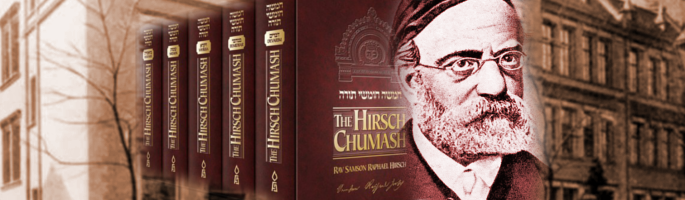
[1] Based on the Hirsch Chumash, Bereishis 44:5