

Location, Location1
His brothers went to pasture their father’s flock in Shechem.
In retrospect, choosing a different destination would have been a good idea. Just as tragic events seem to cluster around special calendar dates (e.g. Tisha B’Av), they also come back to visit certain places. Perhaps G-d operates this way so that this regularity helps us discern the Hand of Providence in those events. When HKBH arranges that unhappy occurrences take place at special locations and times, He helps us focus on His role – and therefore on the message He wishes to convey to us.
Shechem is one of those places[2]. It is not a happy place in our memory, but one fraught with difficulty. Here it was that Dinah was abducted[3]; here the brothers sold Yosef into servitude; here Rechovom[4] would tear a united Jewish monarchy in two.
Seen from Hashem’s perspective, bringing all the actors together at Shechem increases the poignancy of the drama that would unfold there. At the same time, we can detect a different theme that unites several important episodes that happened in Shechem, and that associate it with a positive value.
Shechem may have been the place to which Dina was abducted and violated, but it was also the place that Yaakov’s family first stood together against a threat to one of them – a threat, moreover, to their fledgling efforts to teach the world to substitute purity for barbarism. We can and should admire the determination of Shimon and Levi to take risks to protect the honor of one of their kin, even while we keep in mind Yaakov’s criticism of them for the way they went about their rescue effort.
When the rest of the brothers gathered now in Shechem, their purpose was similar. If they banded together to assist a single member of the family in crisis, all the more so should they unite to ward off a threat to the honor and independence of all of them! In their minds, the dreams that Yosef freely shared with them spoke of arrogance and megalomania. They believed that they had to unite to stop him.
Human freedom had, as of late, become an evanescent commodity. Not too long ago, it seemed, Nimrod had invented the notion of kingship, which meant subjugating others to his will. So many of the cousins of the shevatim were living their lives under the thumb of the alufim and kings of Esav’s extended clan. Under the rule of tyrannical despots, individuals had become expendable bricks in an edifice to glorify the name of dynasties.
Avraham’s campaign to recognize the One G-d took place against the backdrop of the declining value of the individual. Commitment to the G-d of Avraham meant not only a different way of serving the Deity, but a different way of looking at Man, created in His image. Emunah in Hashem brought with it an appreciation of the nobility of Man, and a conception of human society predicated upon freedom and equality.
Yosef’s dreams, his seeming pretentiousness, struck them as dangerously in the spirit of the usurpation of power they observed around them. Not only were their personal liberties at risk, but the message and mission of the Abrahamic family was jeopardized. What could be done?
The brothers somehow came to Shechem, where they had participated in a great act of fraternity in protecting the honor of their family. The very location offered them encouragement to find some way to thwart what they saw as grave and mortal danger.
Ironically, their determination to hold on to their freedoms, albeit misplaced in regard to Yosef’s intentions, seems to have charted a path for their descendents. Hundreds of years later, those descendents gathered together in an attempt to protect their liberties. They sought to impose conditions upon Rechavam, who wished to rule over them.
Once again, the place they chose for this meeting was Shechem!
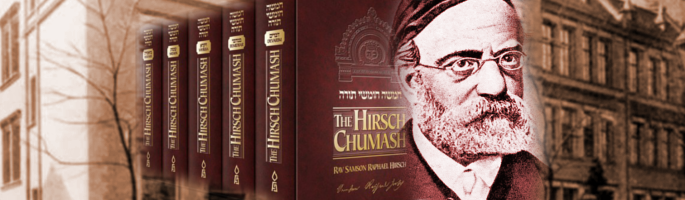
1. Based on the Hirsch Chumash, Bereishis 37:12
2. Sanhedrin 102A
3. Bereishis 34:2
4. Divrei HaYomim 2 10:1