

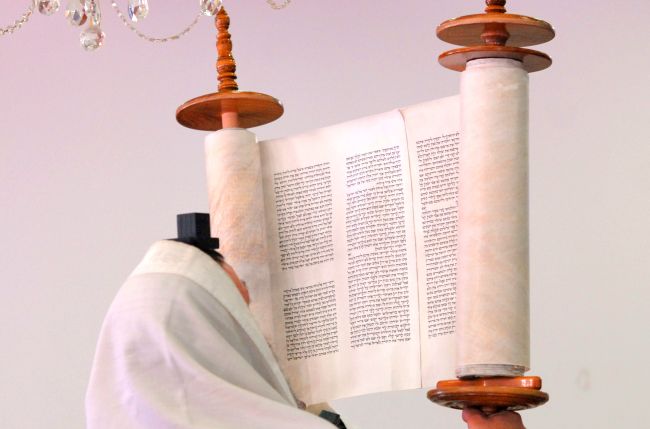
Note: The Shabbos Torah Reading is divided into 7 sections. Each section is called an Aliya [literally: Go up] since for each Aliya, one person “goes up” to make a bracha [blessing] on the Torah Reading.
In the course of history mankind’s most ignoble times have been during war and conflict. It is almost as if we suspend our humanity and regress to our lowest common denominator; that of the wild beast. Murder, rape, and plunder accompany the soldier as he is given license to destroy that which should be most precious. It confirms, as the Torah teaches, that all morals and values rest upon the sanctity of human life. Devalue the pricelessness of life, and you undermine the foundation upon which all values and morals rest. The private domain of person and property then becomes subject to the unleashed amorality of the human animal.
Following the instructions at the end of last weeks Parsha as to how the Jew is to wage war, Moshe, in Parshas Ki Seitsei, presented 74 Mitzvos which highlight the value that the Torah places on the private domain of person and property.
1st Aliya: In an illuminating sequence of emotional and legal circumstances,Moshe forewarned us of the moral and familial dangers of warfare. A soldier brings home a non-Jewish female captive. Disregarding rational and obvious differences, he marries her, has his 1st son with her, and eventually resents the discord he has fostered upon himself, his “captive wife”, and his extended family. Attempting to deny his responsibility in the “resentment turned to hatred” breaking apart his family, he attempts to deny his 1st born son’s rights. This is illegal.
This can Produce the “Rebellious Son”; a child who does not value the private rights of person or property and will eventually be executed for his crimes against society. It’s a tragedy that begs us to consider the long range consequences of our actions before giving legal license to the wild beast within each of us.
2nd Aliya: The laws regarding: hanging and burial; returning lost articles; the fallen animal; transvestitism; and the birds nest are detailed.
3rd Aliya: The laws regarding: guard rails; mixed agriculture; forbidden combinations; Tzitzit; the defamed wife; if the accusations against the wife are true; the penalty for adultery; the rape of a betrothed or unmarried girl; the prohibition against marrying a father’s wife; the Mamzer; and the prohibition against marrying an Ammonite or Moabite are detailed.
4th Aliya: The laws regarding: marriage to Edomites or Egyptians; the sanctity of the army camp; sheltering run away slaves; prostitution; deducted interest; and keeping vows are commanded.
5th and 6th Aliyot:The laws regarding: workers eating while they harvest;divorce and remarriage; military exemptions for a new husband; taking a millstone as security for a loan; the punishment for kidnapping; leprosy; general laws regarding security for loans, are detailed.
7th Aliya: The laws regarding paying wages on time; the testimony of close relatives; concern for the widowed and orphaned; forgotten sheaves of grain; leftover fruit from the harvest; Malkos – flogging; the childless sister-in- law; the assailant and the wife who comes to the rescue; honest weights and measures; and remembering Amalek are commanded.